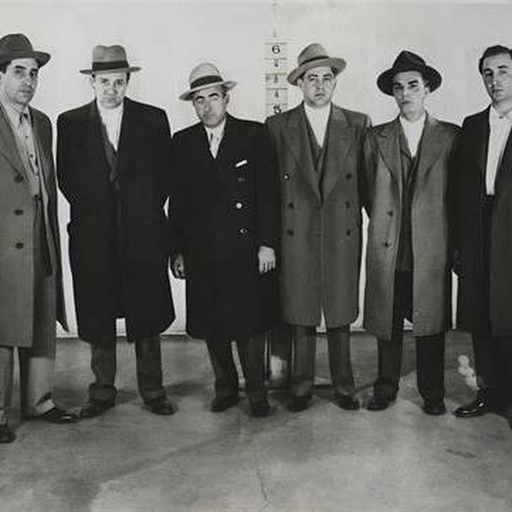
Organized crime is best studied as a system of relationships and markets rather than a collection of colorful nicknames. The useful questions are who controls money, access, protection, information, distribution, enforcement, and political or institutional influence.
Bookmaking, gambling, stolen-property distribution, extortion, illicit liquor or vice economies can become organized when they require durable networks.
The person seen at the scene may not be the person controlling the business. Runners, bookmakers, fences, collectors, drivers, bartenders, owners, and financiers can occupy different roles.
Illegal markets sometimes seek protection or advance warning. Historical claims of corruption require strong sourcing and should never be inferred from association alone.
Detroit has a rich gangster mythology. This site should separate documented people, cases, and institutions from later legend.
Repeated names, addresses, businesses, vehicles, telephone numbers, financial links, and shared associates can reveal structure—but patterns still require corroboration.
CONTINUE IN THIS CATEGORY