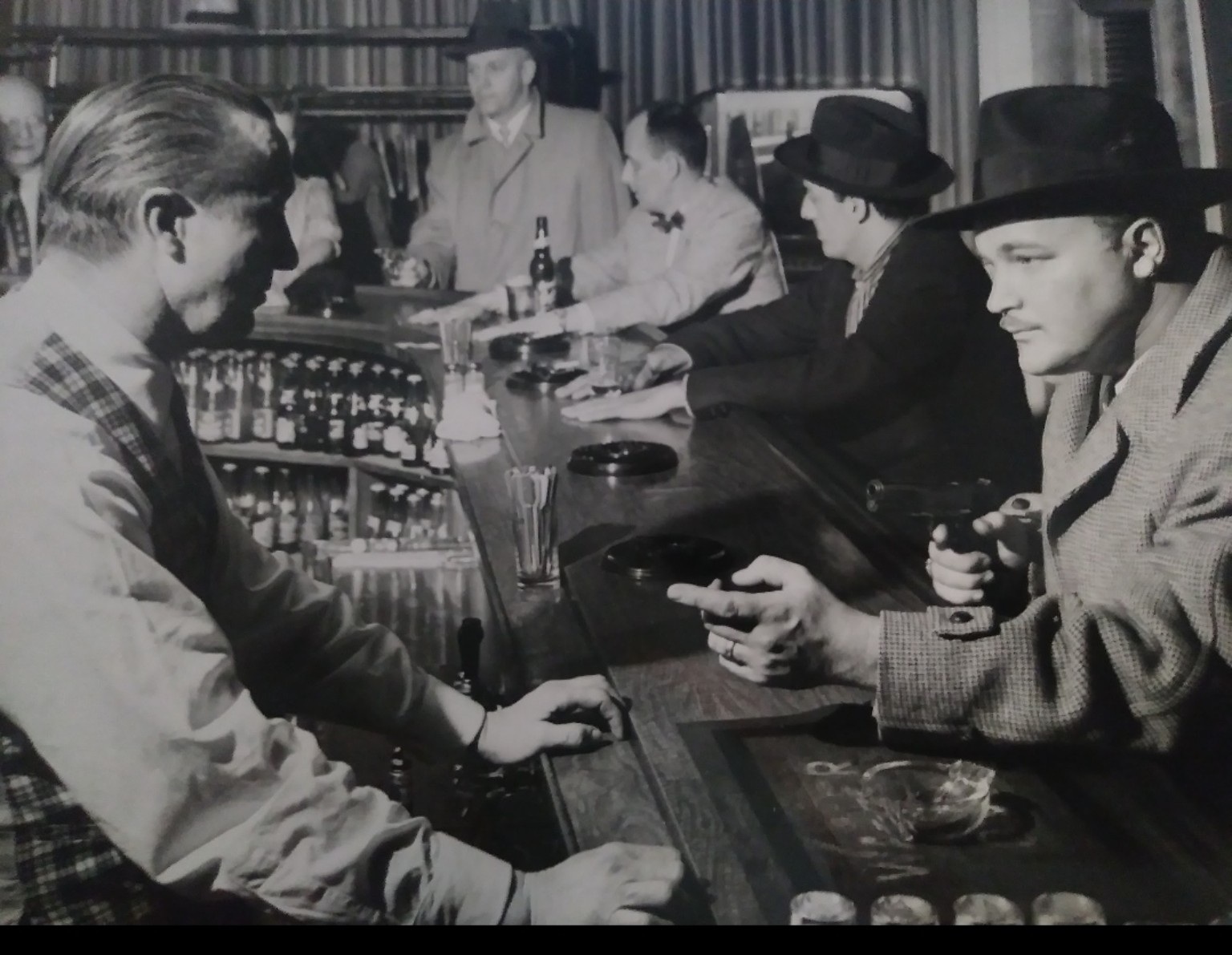
Vice enforcement sits at the border between visible nightlife and hidden markets. Taverns, gambling rooms, bookmaking, liquor violations, prostitution, and other illicit businesses often depended on location, repeat customers, money handling, secrecy, and networks of information.
The same commercial district can contain lawful entertainment and illegal activity. Historical interpretation should not label an entire neighborhood criminal because vice existed within it.
Vice offenses may cluster in specific premises or corridors because business depends on access, customers, privacy, and reputation.
Informants, undercover work, surveillance, complaints, prior arrests, and neighborhood knowledge can become central when an offense is designed to stay hidden.
A raid can generate arrests and records, but the meaning of those records still depends on charges, evidence, court outcomes, and the exact role of each person present.
A racket is an ongoing illicit enterprise or scheme. The term should be used carefully rather than as a dramatic label for every crime.
When Vice material overlaps Ralph Palmer's book cases, this site explains the Detroit context while leaving the case narrative itself partially sealed.
CONTINUE IN THIS CATEGORY