YOU ARE HEADING TO: The documented pathway from the river border and illegal liquor market to blind pigs, organized crime and police response.
ENTER THE PROHIBITION PATH →THE STREETS · CRIME CRAWL
CRIME
CRAWL
Walk the cases. See the city.
Detroit holds its history in brick, pavement, storefronts, precincts, taverns, factories and homes. Crime Crawl lets visitors follow documented real crimes and criminal networks from the 1920s through the 1940s across the physical city without separating a case from the place and time in which it happened.
CHOOSE YOUR PATH
Open one door.
Each entrance says exactly where it leads. Opening another door closes the first.
YOU ARE HEADING TO: Nine sourced Detroit and Detroit-region files organized across the 1920s, 1930s and 1940s.
ENTER THE DECADE ROOM →YOU ARE HEADING TO: Verified crime scenes and, when the evidence supports them, the trail, route or chase connecting each stop.
ENTER ROUTES & LOCATIONS →Choose a decade. Open the record.
EXACT LOCATION identifies a verified crime scene. DOCUMENTED EVENT withholds a pin when the location has not been verified for this edition. CONTEXT PHOTOGRAPH never means the photograph shows the crime scene.
DETROIT · 1920s–1940s
Begin before Book One.
This public route establishes the city Ralph Palmer would later police: the river border, Prohibition, organized crime, neighborhood geography and the department responding to them. Later cases remain held until publication timing makes them appropriate.
DOCUMENTED HISTORICAL PATH
FOUNDATION · 1917–1933
PROHIBITION DETROIT
CANADIAN SUPPLY · DETROIT RIVER · CITY DISTRIBUTION · BLIND PIGS
Before following an individual crime scene, enter the geography that made Detroit's illegal liquor economy possible. This route distinguishes the documented citywide pattern from any one shipment, dock or police investigation.
FOLLOW THE PROHIBITION PATH →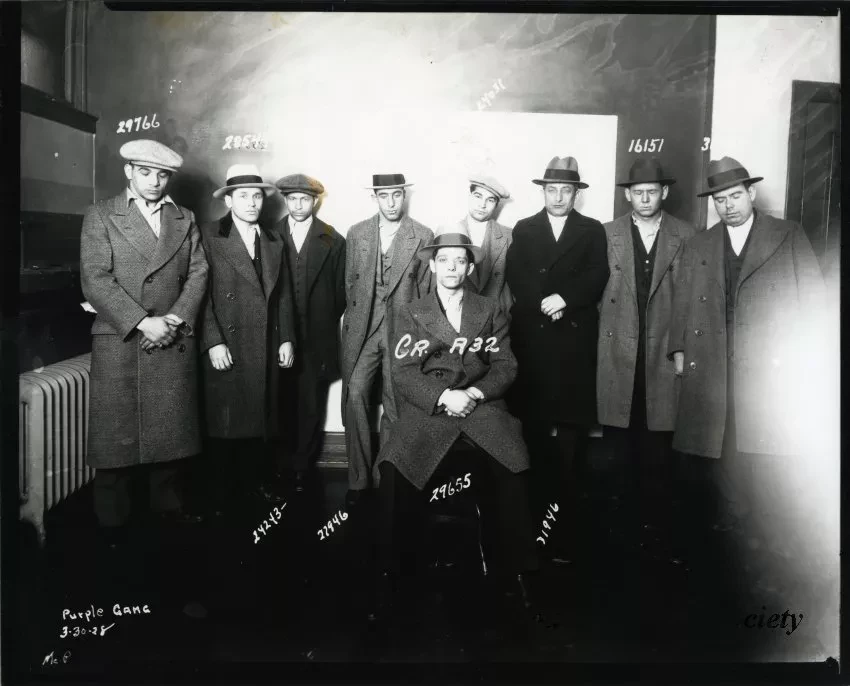
EXACT LOCATION
STOP 01 · SEPTEMBER 16, 1931
COLLINGWOOD MANOR MASSACRE
APARTMENT 211 · 1740 COLLINGWOOD AVENUE
Joe Lebowitz, Hymie Paul and Isadore Sutker were murdered after arriving for what they had been told was a friendly meeting. Sol Levine survived and later testified. The resulting convictions helped break the Purple Gang’s power.
PHOTO RELATIONSHIP: The 1928 photograph shows Purple Gang figures in police custody. It does not show Apartment 211 or the murders.
EXPLORE THIS FILE →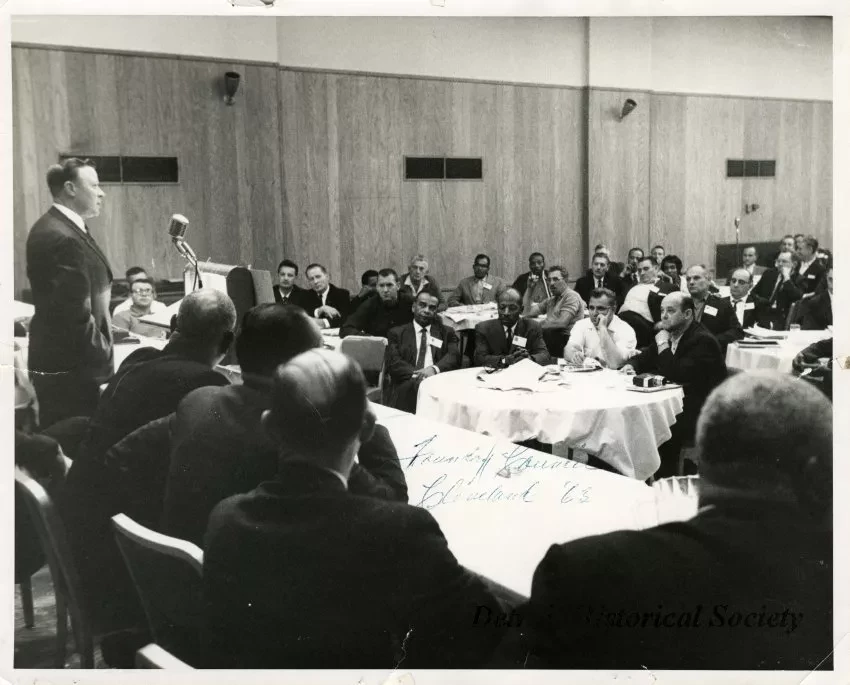
DOCUMENTED EVENT · PIN PENDING
STOP 02 · APRIL 20, 1948
THE SHOOTING OF WALTER REUTHER
DETROIT HOME · EXACT STREET PIN HELD FOR VERIFICATION
A shotgun blast fired through a kitchen window gravely wounded United Auto Workers president Walter Reuther. He survived. This first edition records the event without publishing a street pin until the address is confirmed from an authoritative source.
PHOTO RELATIONSHIP: This is Walter Reuther, photographed speaking in 1963. It is not a photograph of the 1948 shooting or its scene.
EXPLORE THIS FILE →THE CITY REMEMBERS
These streets tell the story.
Crime Crawl can grow across four decades of real Detroit history. A new documented case can add a new pin, and each pin can open a newspaper, a police unit, a photograph, a neighborhood, a courthouse, or another part of the city. The public trail stops before any protected investigation or unpublished narrative is disclosed.
← BACK TO THE STREETS OPEN THE CASE FILES →The complete story begins in Book One: The Rookie and the Rackets.