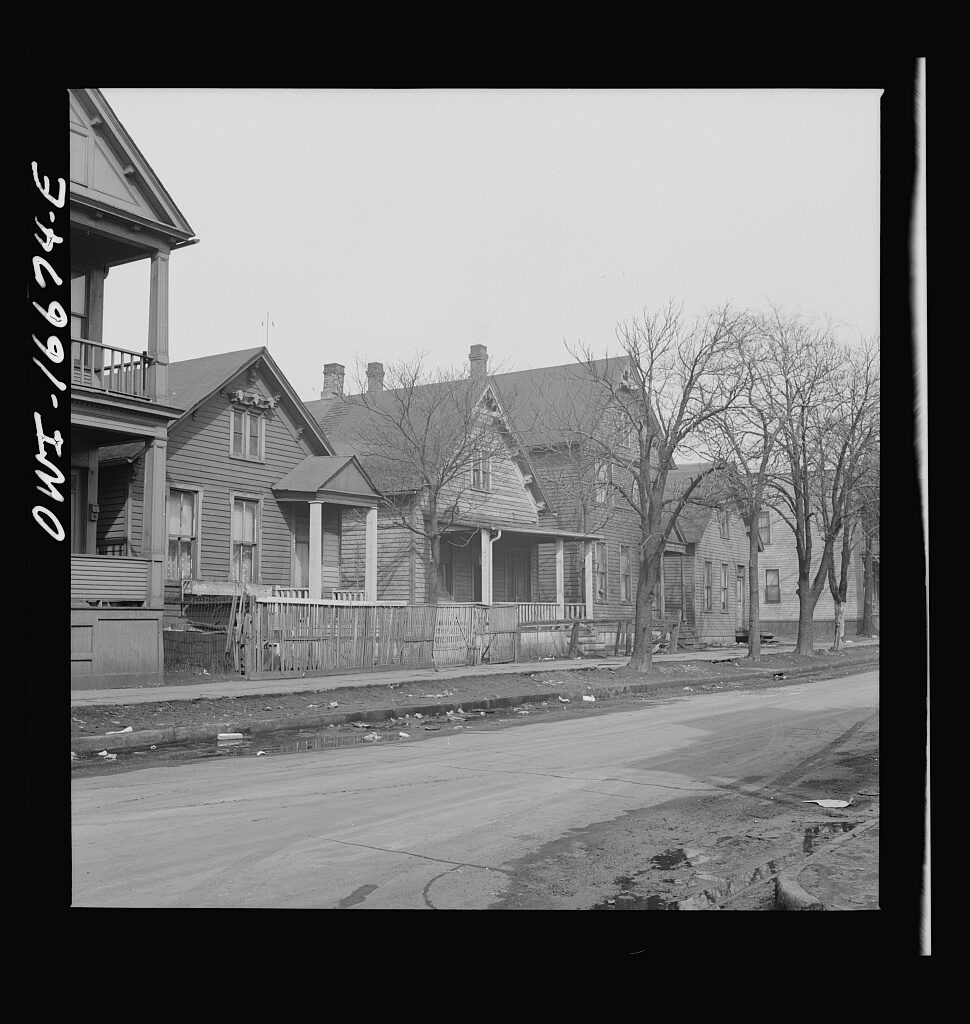
Burglary is spatial. The building itself becomes part of the evidence: doors, windows, roofs, alleys, loading areas, neighboring properties, and the route used to carry stolen property away.
Single-family houses, apartment buildings, storefronts, warehouses, factories, and garages create very different access problems and evidence patterns.
Investigators look at how a place was entered, what was disturbed, what was taken, and whether the exit route suggests planning or improvisation.
Stolen goods become another investigation after the entry itself. Fences, resale channels, pawn activity, acquaintances, and repeat buyers can matter.
Similar locations, methods, times, or property targets can suggest a pattern, but similarity alone does not prove the same offender.
Alleys, rail corridors, industrial districts, commercial strips, and automobile access can change how property crime is committed and investigated.
CONTINUE IN THIS CATEGORY