Crime history is more useful when place is treated analytically rather than sensationally. Street design, land use, transportation, commercial concentration, nightlife, and guardianship can all shape opportunity.
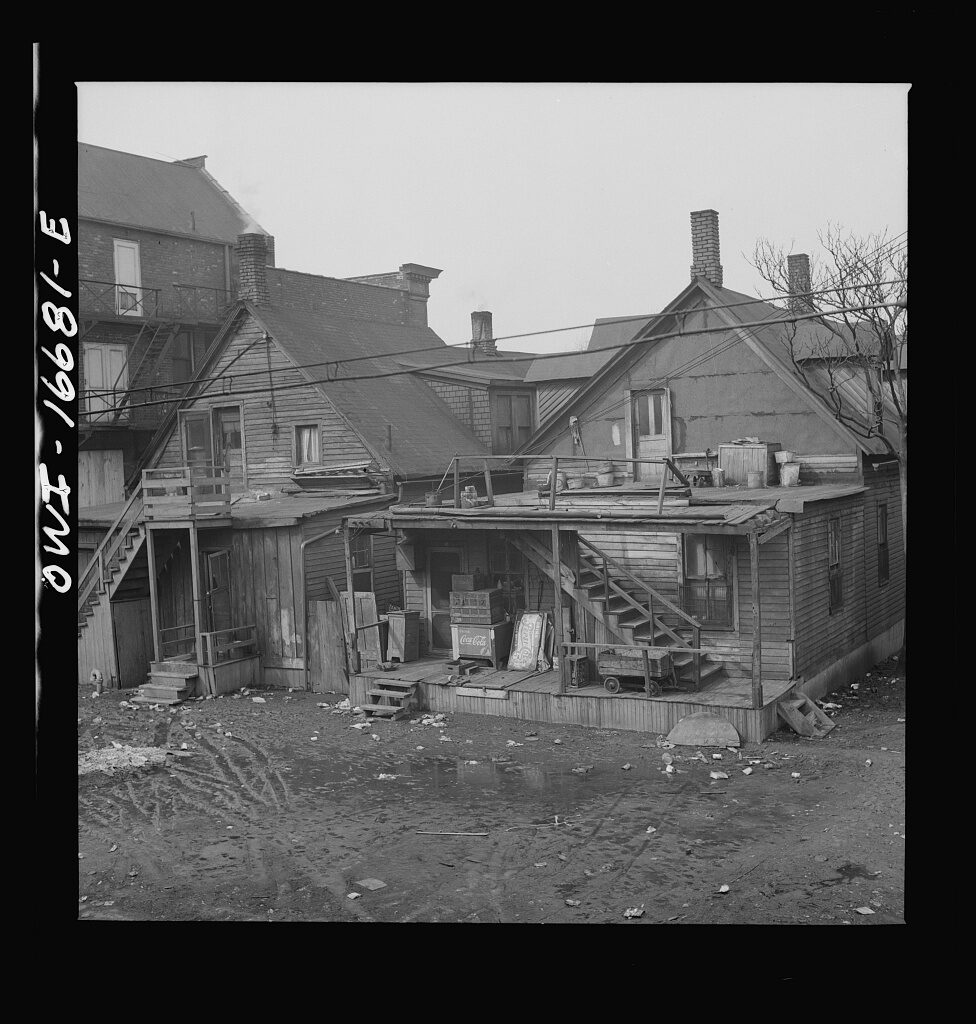
REAL DETROIT SOURCE · Arthur S. Siegel photograph of a Detroit residential neighborhood, February 1942. Source record.NEIGHBORHOOD CONTEXT — NOT A CRIME SCENE.
NEIGHBORHOOD FILE
Place before sensationalism.
Crime opportunity and routine activity
Commercial corridors and target concentration
Transportation and offender mobility
Nightlife, taverns, and late-hour activity
Avoid treating any neighborhood as inherently criminal
DEEP DETROIT · BOOKS PROTECTED
Streets, land use, transportation, and commercial patterns can be studied here without turning a neighborhood into a crime stereotype.