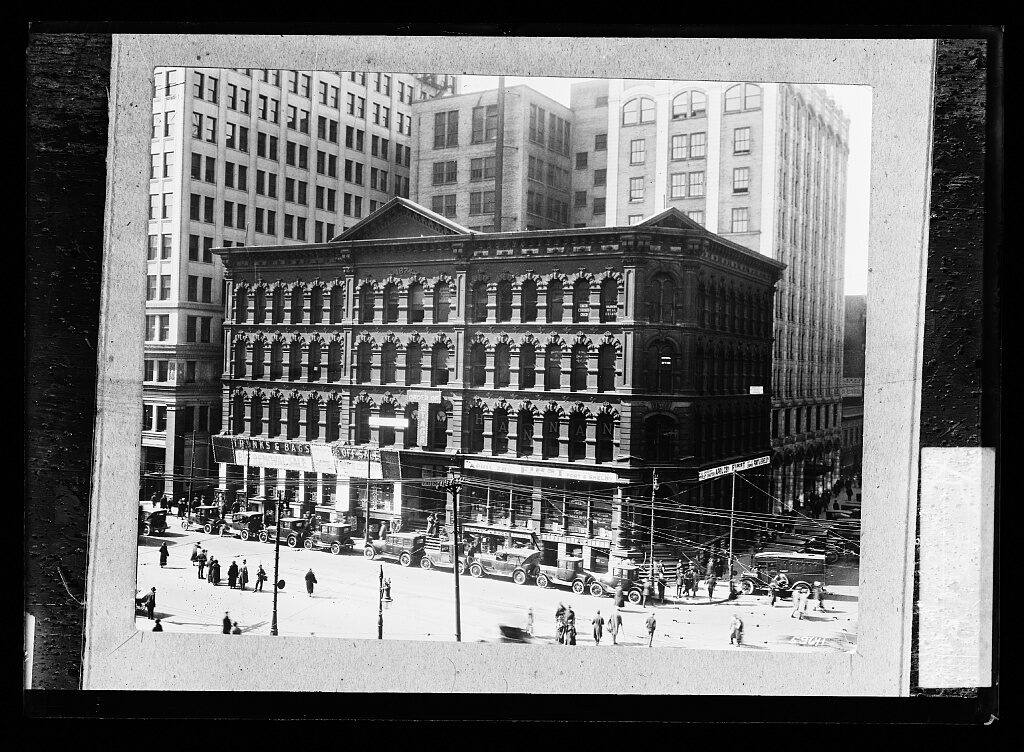
Source: Detroit Publishing Co. / source record · No known restrictions on publication
Newspapers are extraordinary historical sources because they preserve what the public was told at a particular moment. They are also provisional: early reports may contain incomplete information, differing spellings, assumptions, police statements, witness claims, or facts later changed by investigation and court proceedings.
A story published hours after an event may reflect the information available before detectives, prosecutors, or courts completed their work.
The Detroit Free Press, The Detroit News, the Detroit Tribune, and community papers may select different details, headlines, photographs, or emphases.
A claim attributed to police, a witness, a prosecutor, or a defense attorney is not the same thing as a fact independently established by the newspaper.
Later articles, corrections, court coverage, or obituaries may add details missing from the first report.
Use the newspaper as one layer. Compare it with police documents, court files, personnel records, photographs, maps, and other primary material when available.
CONTINUE IN THIS CATEGORY