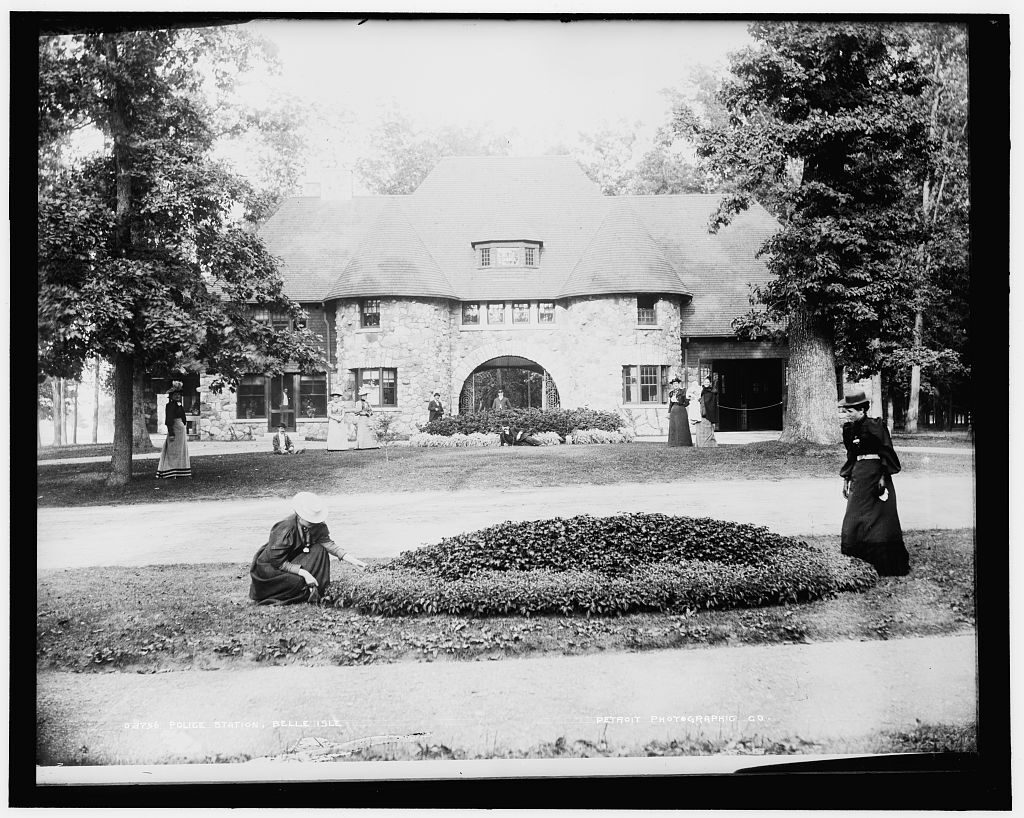
Source: Detroit Publishing Co. / source record · No known restrictions on publication
Mid-century investigators worked without DNA databases, cell-phone location records, searchable digital case systems, or modern video networks. That made observation, interviews, physical evidence, paper records, local knowledge, and communication infrastructure unusually important.
Officers learned streets, businesses, recurring trouble locations, and people through repeated physical presence.
Telephone calls, police radio, station desks, call boxes, bulletins, teletype or telegram systems, and face-to-face briefings moved information.
Fingerprints, photographs, lineups, witness descriptions, records checks, and personal recognition could all play roles, each with limitations.
Victims, witnesses, informants, partners, bartenders, neighbors, business owners, and other people often supplied the information that moved an investigation forward.
Weapons, ammunition, tools, documents, clothing, stolen property, handwriting, photographs, ballistics, and laboratory work could connect or separate theories.
Polygraph examinations existed as an investigative technique, but they should not be presented as equivalent to scientific proof or a court finding.
CONTINUE IN THIS CATEGORY